
Natural Sleep Aids Without Medication: 12 Proven Methods for Restful Sleep (2026)
Sleep problems are among the most common health complaints worldwide. According to recent studies, approximately 35% of adults suffer from sleep disturbances. But before you reach for prescription medications, there are numerous natural sleep aids that can help you achieve restful sleep without the risks of dependency or side effects.
Why Natural Sleep Aids Are the Better Choice
While medicated sleep aids may provide short-term relief, they often lead to dependency and unwanted side effects. Natural methods, on the other hand, work harmoniously with your body to restore a healthy sleep rhythm – without the risks associated with chemical substances.
The 12 Most Effective Natural Sleep Aids
1. Melatonin-Rich Foods
Melatonin is your body’s natural sleep hormone. Certain foods can support your natural melatonin production:
- Tart cherries and tart cherry juice
- Walnuts
- Oats
- Tomatoes
- Bananas
- Almonds
Tip: Drink a glass of tart cherry juice about two hours before bedtime. Studies show this can increase sleep duration by up to 84 minutes.
2. Magnesium – The Relaxation Mineral
Magnesium plays a crucial role in regulating neurotransmitters that are important for sleep. A magnesium deficiency can lead to insomnia and poor sleep quality.
Natural Magnesium Sources:
- Pumpkin seeds
- Spinach
- Almonds
- Dark chocolate (70% cocoa or more)
- Avocado
- Black beans
Adults need approximately 300-400 mg of magnesium daily. If you want to optimize your nutrition for better sleep, you can also consider high-quality magnesium supplements.
3. Valerian Root – The Herbal Sleep Aid
Valerian has been used for centuries as a natural sleep aid. The root contains compounds that influence GABA receptors in the brain, promoting relaxation and drowsiness.
How to Use:
- As tea: 1-2 teaspoons of dried valerian root with hot water
- Steeping time: 10-15 minutes
- Consumption: 30-60 minutes before bedtime
Dosage: Most studies suggest 300-600 mg of valerian extract taken 30 minutes to 2 hours before bed.
4. Lavender – Aromatherapy for Better Sleep
Lavender oil has scientifically proven calming properties. A study showed that lavender scent can improve sleep quality by up to 20% and reduce anxiety levels significantly.
Application Methods:
- 2-3 drops of essential lavender oil on your pillow
- Lavender tea before bedtime
- Lavender sachets next to the bed
- Lavender-scented bath salts for evening relaxation
You can find premium lavender products to enhance your evening routine.
5. The 4-7-8 Breathing Technique
This breathing exercise, developed by Dr. Andrew Weil, activates the parasympathetic nervous system and promotes relaxation. It’s been called a “natural tranquilizer for the nervous system.”
How It Works:
- Breathe in through your nose while counting to 4
- Hold your breath while counting to 7
- Exhale through your mouth while counting to 8
- Repeat the cycle 4 times
This technique can lead to drowsiness within minutes and is particularly effective for anxiety-induced insomnia.
6. Optimal Bedroom Temperature
The ideal room temperature for restful sleep is between 60-67°F (16-19°C). When temperatures are too warm, your body cannot cool down sufficiently, which is necessary for quality sleep.
Additional Tips:
- Use breathable bedding made from natural fibers
- Ventilate the bedroom before going to bed
- Invest in a quality mattress and pillows
- Consider using a fan for air circulation
7. Digital Detox Before Bedtime
Blue light from smartphones, tablets, and computers significantly suppresses melatonin production. Ideally, you should avoid screens for at least one hour before bedtime – though two hours is even better.
Alternatives:
- Read a printed book
- Listen to relaxing music or podcasts
- Practice light stretching exercises
- Keep a gratitude journal
- Engage in meditation or prayer
For more information on digital wellness and health optimization, visit LumeChronos.
8. Passionflower – Natural Sedative
Passionflower increases GABA levels in the brain, leading to relaxation and improved sleep. This plant is particularly effective for sleep disorders caused by anxiety or stress.
Dosage:
- Tea: 1 teaspoon of dried passionflower per cup
- Extract: Follow product instructions (typically 300-500 mg)
- Intake time: 1 hour before bedtime
Research suggests passionflower may be as effective as some prescription sleep medications, but without the side effects.
9. Consistent Sleep-Wake Schedule
Your body functions best with a consistent circadian rhythm. Go to bed and wake up at the same time every day – even on weekends.
Benefits of a Regular Rhythm:
- Improved sleep quality
- Easier falling asleep
- More energy during the day
- Strengthened immune function
- Better mood regulation
- Enhanced cognitive performance
It typically takes 2-3 weeks to establish a new sleep schedule, so be patient with yourself.
10. Glycine-Rich Foods
Glycine is an amino acid that lowers body temperature and promotes sleep. Studies show that 3 grams of glycine before bedtime can improve sleep quality and reduce daytime sleepiness.
Natural Glycine Sources:
- Bone broth
- Gelatin
- Collagen supplements
- Meat and fish
- Dairy products
- Legumes
Glycine also supports the production of serotonin, which helps regulate mood and sleep cycles.
11. Chamomile – The Classic Sleep Tea
Chamomile tea contains apigenin, an antioxidant that binds to certain receptors in the brain and promotes drowsiness. Chamomile also has anti-inflammatory properties and soothes the digestive system.
Optimal Preparation:
- 2-3 teaspoons of dried chamomile flowers
- Pour 200 ml (about 7 oz) of boiling water over them
- Steep for 5-10 minutes
- Sweeten with honey (optional)
Drinking chamomile tea regularly for 2-4 weeks may provide cumulative benefits for sleep quality.
12. Progressive Muscle Relaxation
This technique reduces physical tension and promotes mental relaxation. It’s particularly effective for people who cannot fall asleep due to stress or anxiety.
Instructions:
- Start with your feet
- Tense the muscles for 5 seconds
- Relax the muscles for 30 seconds
- Work systematically upward (legs, abdomen, arms, shoulders, face)
This practice not only helps with sleep but also reduces overall anxiety and stress levels throughout the day.
Combined Strategies for Maximum Effectiveness
The best results are achieved when you combine several of these natural sleep aids. Here’s a proven evening routine:
6:00 – 7:00 PM:
- Light dinner with magnesium-rich foods
- Avoid caffeine, alcohol, and heavy meals
7:00 – 8:00 PM:
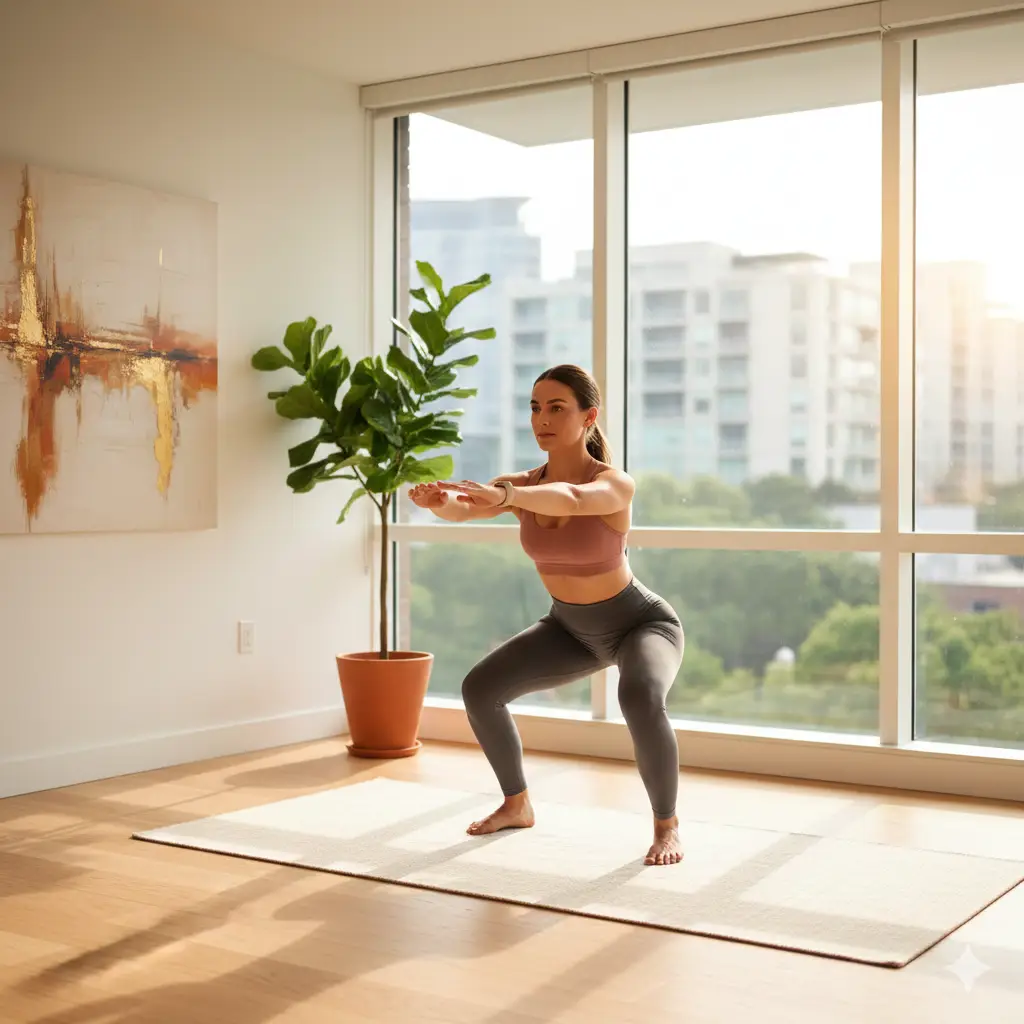
- Moderate exercise or light yoga poses
- Avoid intense workouts that raise cortisol
8:00 – 9:00 PM:
- Digital detox begins
- Distribute lavender scent in the bedroom
- Dim the lights throughout your home
9:00 – 9:30 PM:
- Cup of chamomile tea or valerian tea
- Perform progressive muscle relaxation
- Take magnesium supplement if needed
9:30 – 10:00 PM:
- 4-7-8 breathing technique in bed
- Set bedroom temperature to 60-67°F (16-19°C)
- Practice gratitude or gentle meditation
When Should You See a Doctor?
While natural sleep aids are effective for many people, there are situations where professional medical help is necessary:
- Sleep problems lasting longer than 3 months
- Extreme daytime fatigue despite adequate sleep time
- Loud snoring or breathing pauses during sleep
- Unusual movements or behaviors during sleep
- Sleep disorders significantly affecting your quality of life
- Sudden onset of severe insomnia
- Sleep issues accompanied by depression or anxiety
For more health-related topics and professional guidance, always consult a qualified healthcare provider.
Frequently Asked Questions (FAQ)
How long does it take for natural sleep aids to work?
The effectiveness varies depending on the method. Breathing techniques can help immediately, while herbal remedies like valerian need 2-4 weeks of regular use to reach their full effectiveness. Lifestyle changes like sleep schedule consistency may take 2-3 weeks to show results.
Can natural sleep aids interact with medications?
Yes, some herbal sleep aids can interact with medications, particularly blood thinners, antidepressants, and sedatives. Always consult your doctor before taking new supplements, especially if you’re already on medication.
Are natural sleep aids safe for pregnant women?
Not all natural sleep aids are suitable for pregnant women. Many herbs should be avoided during pregnancy. Pregnant women should speak with their doctor before using any sleep aids, even natural ones.
How much sleep do I really need?
Most adults need 7-9 hours of sleep per night. However, individual needs can vary. Some people function well on 6 hours, while others need 10. Pay attention to how you feel during the day to determine your optimal sleep duration.
Can I combine multiple natural sleep aids?
Yes, many natural sleep aids can be safely combined. For example, drinking chamomile tea while using lavender aromatherapy and practicing the 4-7-8 breathing technique is generally safe. However, be cautious about combining multiple herbal supplements without consulting a healthcare provider.
Do natural sleep aids cause morning grogginess?
Unlike many prescription sleep medications, natural sleep aids typically don’t cause morning grogginess or “hangover” effects. However, if you experience drowsiness in the morning, you may be taking too much or taking it too late in the evening.
Additional Resources and Product Recommendations
For high-quality sleep aids and wellness products, visit the LumeChronos Shop, where you’ll find a curated selection of natural products that can improve your sleep quality, including:
- Organic herbal tea blends
- Essential oils and aromatherapy diffusers
- Magnesium supplements
- Sleep-promoting nutrition guides
- Meditation and relaxation audio programs
The Science Behind Natural Sleep Aids
Understanding how natural sleep aids work can help you choose the most effective options for your specific situation.
Neurotransmitter Support: Many natural sleep aids work by supporting neurotransmitters like GABA (gamma-aminobutyric acid) and serotonin. GABA is the brain’s primary inhibitory neurotransmitter, promoting relaxation and reducing neural activity.
Circadian Rhythm Regulation: Your body’s internal clock responds to light, temperature, and consistent timing. Natural methods that support circadian rhythm help your body produce melatonin at the right time.
Stress Hormone Reduction: Techniques like breathing exercises and progressive muscle relaxation lower cortisol levels, making it easier to transition into sleep mode.
Body Temperature Control: Many natural sleep aids help lower core body temperature, which is necessary for initiating sleep.
Lifestyle Factors That Support Better Sleep
Beyond specific sleep aids, certain lifestyle factors significantly impact sleep quality:
Exercise Timing: Regular exercise improves sleep, but timing matters. Morning or afternoon exercise is ideal. Avoid vigorous exercise within 3 hours of bedtime.
Sunlight Exposure: Get at least 30 minutes of natural sunlight daily, preferably in the morning. This helps regulate your circadian rhythm.
Stress Management: Chronic stress is a major sleep disruptor. Incorporate stress-reduction techniques throughout your day, not just before bed.
Hydration Balance: Stay well-hydrated during the day, but reduce fluid intake 2-3 hours before bedtime to minimize nighttime bathroom trips.
Creating Your Personalized Sleep Plan
Everyone’s sleep needs are unique. Use this framework to create your personalized natural sleep aid strategy:
Week 1: Assessment
- Track your current sleep patterns
- Note what time you naturally feel sleepy
- Identify your main sleep challenges
Week 2-3: Implementation
- Start with 2-3 natural sleep aids that address your specific issues
- Maintain consistency with timing
- Keep a sleep diary
Week 4: Evaluation and Adjustment
- Assess what’s working
- Add or modify approaches as needed
- Fine-tune your routine
For ongoing health optimization tips and the latest sleep research, regularly visit LumeChronos.com.
Conclusion: Your Journey to Better Sleep Starts Today
Natural sleep aids without medication offer a safe and effective alternative to prescription sleep medications. By combining various methods – from optimizing your nutrition through herbal aids to relaxation techniques – you can support your body in rediscovering its natural sleep rhythm.
Remember: Sleep isn’t a waste of time; it’s an investment in your health. Quality sleep affects every aspect of your life, from physical health and mental clarity to emotional well-being and productivity. With the right natural sleep aids, you can significantly improve the quality of your night’s rest and wake up with more energy and vitality.
Start tonight with one of the methods presented and observe how your sleep and overall quality of life improve. The journey to better sleep is not about perfection but about consistent, gentle progress toward healthier habits.
Sweet dreams and restful nights await you!
About LumeChronos: We are your trusted source for health, finance, and current news. Our goal is to provide you with evidence-based information that simplifies and improves your life. Visit us at lumechronos.de for more comprehensive health guides.
Last Updated: January 2026
Disclaimer: This article is for informational purposes only and does not replace medical advice. Always consult a qualified healthcare provider for health-related concerns. Individual results may vary, and what works for one person may not work for another.