Introduction
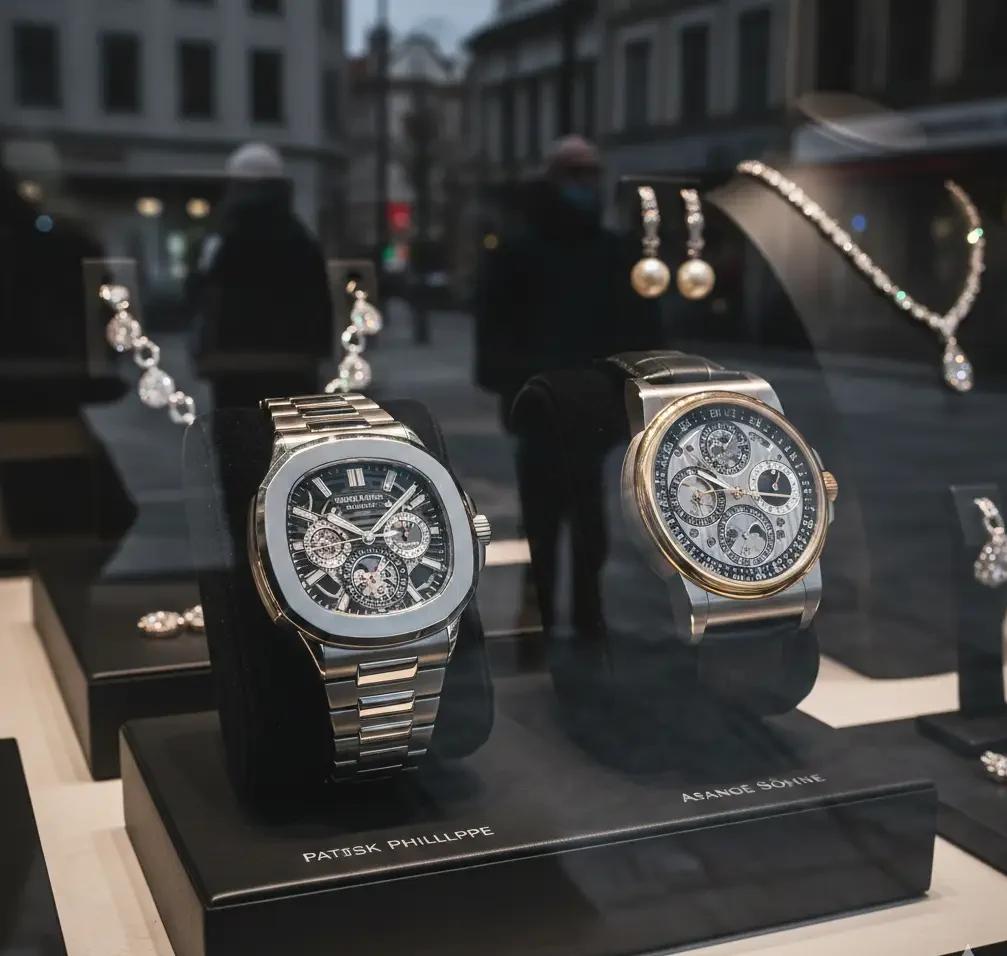
When you walk past the gleaming windows of luxury boutiques in Munich’s Maximilianstraße or Frankfurt’s Goethestraße, you’re not just looking at watches—you’re witnessing wearable art that costs more than most people’s cars, and sometimes, their homes. Germany has become one of Europe’s most significant markets for ultra-luxury timepieces, where collectors and enthusiasts pay six, seven, or even eight figures for a single watch.
But here’s what confuses most people: Why would anyone spend the equivalent of a small apartment on something that tells time? The answer isn’t as simple as showing off wealth. These watches represent centuries of craftsmanship, mechanical innovation, investment potential, and often, a piece of horological history. With Germany’s strong economy and appreciation for precision engineering, the country has cultivated a unique luxury watch culture that values both Swiss masterpieces and German-made excellence.
In this comprehensive guide, you’ll discover the seven most expensive watches available in Germany right now, understand what makes them worth their staggering price tags, and learn how the German luxury watch market operates. Whether you’re a serious collector or simply fascinated by extreme luxury, this deep dive will give you insider knowledge most watch enthusiasts spend years acquiring.
H2: Understanding the German Luxury Watch Market
Germany’s relationship with high-end timepieces runs deeper than most countries. As home to legendary brands like A. Lange & Söhne, Glashütte Original, and Nomos, German watchmaking represents precision, tradition, and technical excellence. But the German market also embraces Swiss giants like Patek Philippe, Audemars Piguet, and Rolex with exceptional enthusiasm.
Why Germany is a Major Luxury Watch Hub
The German luxury watch market is valued at over €1 billion annually, making it one of Europe’s top three markets alongside Switzerland and the UK. Several factors contribute to this:
Strong Economic Foundation: Germany’s robust economy supports a wealthy class of collectors, business leaders, and enthusiasts who view luxury watches as both status symbols and investment vehicles.
Cultural Appreciation for Craftsmanship: Germans have a deep-rooted respect for precision engineering and mechanical excellence—values that align perfectly with haute horlogerie. The same culture that produces BMW, Mercedes-Benz, and Porsche naturally gravitates toward watches that demonstrate similar engineering prowess.
Tax and Import Advantages: Germany’s position within the EU makes acquiring luxury watches from Switzerland and other European manufacturers relatively straightforward compared to markets outside the European Economic Area.
For an in-depth look at German watchmaking heritage, WatchTime’s feature on German watch brands offers excellent historical context. You can also explore Hodinkee’s German watchmaking archives for detailed brand histories.
The Investment Angle
Here’s something most people miss: The most expensive watches in Germany aren’t just purchased for wearing. Many collectors view them as alternative investments that can appreciate significantly over time. Certain Patek Philippe models have increased in value by 300-500% over the past decade, outperforming many traditional investment vehicles.
Video Resource: The Watchfinder & Co. YouTube channel has an excellent series called “Why This Watch Costs…” that breaks down the investment mechanics of luxury timepieces in an accessible way.
For those interested in understanding how luxury watches hold their value, the German market offers unique insights into both European and global trends. The watch market data platform WatchCharts provides real-time pricing analytics for collectors tracking investment potential.
H2: The Top 7 Most Expensive Watches Available in Germany
Now let’s explore the watches that command the highest prices in Germany’s luxury market. These timepieces represent the pinnacle of horological achievement and are available through authorized dealers, auction houses, and exclusive private sales.
1. Patek Philippe Grandmaster Chime Ref. 6300A-010 (€25-31 Million)
The undisputed king of expensive watches, the Patek Philippe Grandmaster Chime is the most complicated wristwatch Patek has ever made. With 20 complications and 1,366 components, this masterpiece took over 100,000 hours to develop.
What makes it expensive:
- Only seven pieces exist worldwide
- Features a grande and petite sonnerie, minute repeater, and perpetual calendar
- Reversible case showing two different dials
- One piece sold at auction for over $31 million in 2019
In practice, you won’t find this watch in a regular boutique. German collectors typically acquire such pieces through private sales or Christie’s and Sotheby’s auction events in Munich or Geneva. The complexity of understanding watch complications makes this piece intimidating even for experienced collectors.
Watch it in action: Patek Philippe’s official YouTube channel features a detailed walkthrough of the Grandmaster Chime, showing every complication in mesmerizing detail.
For technical specifications and historical context, the Patek Philippe Museum archives offer unparalleled documentation.
2. A. Lange & Söhne Grand Complication (€2.2-2.5 Million)
Germany’s pride in watchmaking, A. Lange & Söhne’s Grand Complication represents the pinnacle of German horological achievement. This watch combines a split-seconds chronograph, perpetual calendar, and minute repeater in a case that epitomizes Glashütte’s centuries-old craftsmanship.
Why it matters:
- Entirely manufactured in Glashütte, Germany
- Only six pieces produced
- Features the iconic German three-quarter plate movement
- Represents 10 years of development
German collectors particularly value this piece because it demonstrates that German watchmaking can compete with—and sometimes surpass—Swiss excellence. The finishing details, including hand-engraved balance cock and blued screws, showcase craftsmanship that justifies the price.
Video Resource: Watchfinder & Co.’s video on A. Lange & Söhne craftsmanship provides stunning macro footage of German hand-finishing techniques.
Visit the official A. Lange & Söhne manufacture tour page to understand their production process, or read Monochrome Watches’ comprehensive A. Lange & Söhne guide for historical depth.
3. Patek Philippe Nautilus Ref. 5711/1A “Tiffany Blue” (€5-6 Million)
This might surprise you. A “simple” three-hand sports watch selling for millions? The Tiffany Blue Nautilus isn’t expensive because of complications—it’s valuable because of rarity and cultural phenomenon.
The story behind the price:
- Only 170 pieces ever made
- Final edition before discontinuation
- Created in partnership with Tiffany & Co.
- Sparked unprecedented demand in the luxury watch market
Most people don’t realize that steel sports watches from Patek Philippe often trade for more than their gold complicated models. The waiting list for a regular Nautilus at German authorized dealers exceeds 10 years in many cases. For collectors who want instant gratification, understanding the secondary market becomes essential, though prices are exponentially higher.
Market Analysis: Chrono24, the world’s largest watch marketplace based in Germany, shows real-time pricing data for Nautilus models and helps collectors understand market fluctuations.
Video Deep Dive: The watch YouTuber Teddy Baldassarre has an excellent video explaining the Nautilus hype phenomenon that puts this price spike in perspective.
4. Richard Mille RM 56-02 Sapphire (€1.8-2 Million)
Richard Mille watches look like nothing else in horology—they’re essentially Formula 1 engineering on your wrist. The RM 56-02 takes this concept to the extreme with a case entirely made from sapphire crystal.
Technical highlights:
- Entirely transparent sapphire case
- Tourbillon movement visible from all angles
- Weighs only 48 grams despite its complexity
- Limited to 10 pieces worldwide
German collectors, particularly younger entrepreneurs and tech industry leaders, gravitate toward Richard Mille because the brand represents modern innovation rather than traditional heritage. In cities like Berlin and Hamburg, you’re more likely to see a Richard Mille on a tech CEO than a vintage Patek.
Manufacturing Insight: Richard Mille’s official website features detailed technical specifications and innovation breakdowns. For independent analysis, Revolution Magazine’s Richard Mille coverage offers expert perspectives.
5. Audemars Piguet Royal Oak Concept “Black Panther” (€4.5-5.2 Million)
Created in collaboration with Marvel, this watch blends haute horlogerie with popular culture in a way that’s never been done before. Only 250 pieces exist, and German collectors snapped up a significant portion.
What sets it apart:
- Flying tourbillon with black ceramic bridge
- Hand-finished titanium case
- White gold accents inspired by the Black Panther suit
- Comes with exclusive Marvel memorabilia
This watch proves that expensive timepieces aren’t just about tradition anymore. The intersection of luxury watches and contemporary culture creates new collecting categories, and modern watch trends show this fusion is only accelerating.
Behind the Scenes: Audemars Piguet released a documentary-style video on YouTube showing the collaboration process with Marvel Studios, offering fascinating insights into how this partnership came together.
6. Vacheron Constantin Les Cabinotiers Westminster Sonnerie (€1.2-1.5 Million)
Vacheron Constantin, one of the oldest watch manufacturers (founded 1755), created this masterpiece to demonstrate what’s possible when cost is no concern. The Westminster Sonnerie features one of the most complex chiming mechanisms ever created.
Key features:
- Westminster chimes with four gongs
- Perpetual calendar
- Tourbillon escapement
- Unique piece (only one exists)
The German market appreciates Vacheron Constantin for its understated elegance compared to flashier brands. Collectors in Frankfurt’s banking sector particularly favor these watches for their refined aesthetics and historical significance.
Audio Experience: Vacheron Constantin’s official channel has a mesmerizing video of the Westminster chimes in action—the sound alone justifies part of the price.
For technical deep-dives, SJX Watches offers some of the most detailed movement analysis available online.
7. Rolex “Paul Newman” Daytona Ref. 6239 (€800,000-1.2 Million)
Vintage Rolex sports watches have become some of the most expensive timepieces in the world, and the Paul Newman Daytona leads this category. While not the most complicated watch on this list, its cultural significance and rarity make it exceptionally valuable.
Why collectors pay premium prices:
- Association with legendary actor and racing driver Paul Newman
- Only certain dial variations qualify as “Paul Newman”
- Values have increased 10x in the past decade
- Relatively accessible entry point into ultra-luxury collecting
In practice, finding an authentic Paul Newman Daytona requires expertise most people don’t have. The German vintage watch market has reputable dealers, but counterfeits and frankenwatches (watches assembled from non-original parts) remain a serious concern.
Educational Resources:
- Bob’s Watches has an excellent authentication guide specifically for Paul Newman Daytonas
- The Rolex Forums vintage section has decades of collector knowledge
- Phillips Watches auction archives show authenticated examples with detailed provenance
Video Guide: The watch expert channel “The Urban Gentry” has a comprehensive video on Paul Newman Daytona identification that’s essential viewing before purchasing.
H2: What Actually Makes These Watches So Expensive?
Understanding why a watch costs more than a house requires looking beyond the materials. Here’s what you’re really paying for:
Craftsmanship and Labor
A single haute horlogerie timepiece can require thousands of hours of hand labor. Master watchmakers spend years training to finish components to the microscopic tolerances required. When you’re paying €2 million for a watch, you’re often funding:
- 200-500+ hours of assembly by master watchmakers
- Hand-finishing of every component visible and invisible
- Multiple rounds of testing and regulation
- Artisanal techniques like hand engraving and enameling
Documentary Recommendation: The documentary “The Watchmaker’s Apprentice” available on various platforms shows the painstaking process of creating complicated timepieces.
For those wanting to understand movement finishing, Timezone.com has extensive technical articles with macro photography showing the difference between standard and haute horlogerie finishing.
Rarity and Exclusivity
Limited production creates scarcity. Brands like Patek Philippe, A. Lange & Söhne, and Richard Mille produce only hundreds or thousands of watches annually—not the millions produced by fashion watch brands. When only 6, 10, or 50 pieces of a model exist worldwide, basic supply and demand economics drive prices into the stratosphere.
Research and Development
The most complicated watches represent decades of R&D. Developing a new grand complication can cost manufacturers tens of millions of euros. This investment gets distributed across the tiny number of pieces produced, significantly impacting individual watch prices.
Technical Resource: Fondation de la Haute Horlogerie offers free educational materials explaining watch complications and mechanical principles.
Investment Value
Unlike cars that depreciate the moment you drive them off the lot, many ultra-luxury watches appreciate over time. Historical data shows certain models increasing 15-20% annually. This investment potential transforms watches from pure luxury items into alternative assets, which justifies higher purchase prices for financially-minded collectors.
Market Data:
- WatchCharts.com tracks real-time market values
- Knight Frank Luxury Investment Index includes watches in annual reports
- Morgan Stanley’s luxury goods research publishes regular watch market analysis
H2: How to Buy Expensive Watches in Germany
Acquiring one of these timepieces isn’t as simple as walking into a boutique with cash. The German luxury watch market operates on relationships, patience, and often, luck.
Authorized Dealers
Cities like Munich, Frankfurt, Hamburg, and Düsseldorf host authorized dealers for all major brands. However, the most desirable pieces rarely reach display cases. Instead:
- Building relationships with dealers is essential
- Purchase history with the brand matters significantly
- Waiting lists can extend 5-15 years for popular models
- Being an existing customer dramatically improves allocation chances
German Dealer Resources:
- Wempe – Historic German jeweler with locations across major cities
- Bucherer – Major authorized dealer with German locations
- Chronext – German-based certified pre-owned platform
Auction Houses
Major auction houses including Sotheby’s, Christie’s, and Phillips hold regular watch auctions in Munich and Geneva. These events offer opportunities to acquire rare pieces but come with their own challenges:
- Buyers premiums add 20-25% to hammer prices
- Authentication concerns require expert vetting
- Bidding wars can push prices well above estimates
- Import duties and taxes apply to international purchases
For serious collectors, understanding how auction markets work before bidding can save tens of thousands of euros.
Auction House Links:
- Christie’s Watches
- Sotheby’s Important Watches
- Phillips Watches
- Antiquorum – Specialist watch auctioneer
Video Tutorial: Phillips Watches has a helpful YouTube series explaining how to buy at auction, including bidding strategies and condition assessment.
Private Sales and Watch Brokers
The majority of ultra-expensive watch transactions happen privately. Specialized brokers connect buyers and sellers, facilitating deals that never reach public markets. This avenue offers privacy and sometimes better pricing but requires careful vetting to avoid fraud.
Reputable Platforms:
- Chrono24 – Escrow protection for private sales
- Watchbox – Certified pre-owned specialist
- Crown & Caliber – US-based with international shipping
H2: Common Mistakes When Buying Luxury Watches in Germany
Even experienced collectors make costly errors. Here’s what to avoid:
Mistake #1: Buying Based on Hype Alone
Just because a watch is expensive or hard to get doesn’t mean it’s right for you. Many collectors chase trendy models only to regret their purchases later when they realize the watch doesn’t match their style or wearing habits.
Smart approach: Buy what you genuinely love and will wear. Investment potential is a bonus, not the primary reason.
Educational Video: Watch collector Nico Leonard has an excellent reality check video about hype watches that every new collector should watch.
Mistake #2: Ignoring Service Costs
A €500,000 watch can cost €5,000-15,000 for a complete service every 5-7 years. These ongoing costs surprise new collectors who budget only for the initial purchase.
Mistake #3: Falling for Gray Market Deals
Gray market dealers offer brand-new watches at discounts, but you sacrifice:
- Manufacturer warranty
- Service support from authorized dealers
- Authentication guarantees
- Future trade-in value
The 15-20% savings rarely justify these risks when dealing with six-figure purchases.
Forum Discussions: Watchuseek’s buyer/seller feedback forum provides community vetting of gray market dealers.
Mistake #4: Neglecting Insurance
Standard homeowner insurance typically caps watch coverage at €10,000-20,000. Specialized watch insurance is essential but often overlooked until after a loss occurs.
Insurance Specialists:
- Hodinkee Insurance – Specialist watch insurance
- BriteCo – Jewelry and watch coverage
Mistake #5: Poor Documentation
For resale and insurance purposes, maintaining complete documentation—original boxes, papers, service records, and provenance—is crucial. Watches without proper documentation can lose 30-40% of their value.
FAQs About Expensive Watches in Germany
Q: What is the single most expensive watch ever sold in Germany?
While specific German sale records aren’t always public, the Patek Philippe Grandmaster Chime and vintage Patek Philippe models have sold privately in Germany for over €20 million. At public auctions held in Munich, Patek Philippe and Rolex vintage pieces regularly exceed €1 million. The German market sees significant private transactions that never become public knowledge, so the actual highest price could be considerably higher than publicly reported sales. For auction records, check WatchPro’s auction database or Phillips Watches past results.
Q: Are luxury watches a good investment compared to stocks or real estate?
Luxury watches can be excellent investments, but with important caveats. Certain models from Patek Philippe, Rolex, and Audemars Piguet have historically appreciated 10-20% annually, outperforming many traditional assets. However, this applies mainly to specific references in pristine condition with complete documentation. Most watches don’t appreciate significantly, and wearing them causes depreciation. View watches primarily as passion purchases with potential investment upside rather than pure investment vehicles. For detailed market analysis, WatchCharts’ market reports provide data-driven insights.
Q: How long are waiting lists for popular models at German authorized dealers?
For highly sought-after models like the Patek Philippe Nautilus, Audemars Piguet Royal Oak, or Rolex Daytona, waiting lists at German authorized dealers often exceed 8-12 years. However, these lists don’t operate purely on first-come, first-served basis. Dealers prioritize customers with purchase history, relationships, and demonstrated commitment to the brand. New customers may never receive allocation for the most desirable pieces regardless of wait time. The Rolex Forums and Omega Forums have extensive discussions about wait times at specific German dealers.
Q: Can I negotiate prices on expensive watches in Germany?
For current-production models at authorized dealers, prices are typically fixed with no negotiation possible—brands strictly enforce pricing policies. However, for vintage pieces, private sales, and some gray market dealers, negotiation is expected. Discounts of 5-15% on vintage or pre-owned pieces are common, especially for cash transactions. Building relationships with dealers can also lead to preferential pricing on future purchases.
Q: What’s the difference between German and Swiss luxury watches?
German watches, primarily from Glashütte manufacturers like A. Lange & Söhne and Glashütte Original, emphasize technical perfection, traditional finishing techniques (like the three-quarter plate), and understated elegance. Swiss watches from brands like Patek Philippe and Rolex span a wider range of styles from sporty to ultra-complicated. Both traditions produce exceptional timepieces, but German watches often appeal to purists who value technical finishing over brand recognition. Monochrome Watches has an excellent comparison article exploring these differences in depth.
Q: How can I verify a luxury watch is authentic before buying?
Authentication requires expert evaluation, but key steps include: examining serial numbers through manufacturer databases, inspecting movement finishing and signatures under magnification, verifying weight and dimensions against factory specifications, checking luminous material aging for vintage pieces, and consulting with independent watchmakers or authentication services. For purchases over €50,000, paying for professional authentication (€500-2,000) is a wise investment that can prevent catastrophic losses.
Authentication Resources:
- Watchfinder & Co.’s authentication guides
- Swiss Watch Authenticity
- Independent watchmaker forums on NAWCC
Q: Are there tax advantages to buying expensive watches in Germany?
German VAT (Mehrwertsteuer) is 19% on luxury goods including watches. EU residents pay this tax, but non-EU visitors can reclaim VAT through tax-free shopping programs at airports, potentially saving thousands on expensive purchases. Some collectors also structure purchases through companies for tax deductibility if watches serve business purposes. Consult with tax professionals for specific situations, as regulations vary based on individual circumstances.
Q: What happens if my expensive watch needs repair?
Repairs for haute horlogerie pieces must be performed by manufacturer-authorized service centers. For most Swiss brands, watches ship to Switzerland for service, taking 4-12 months. German brands like A. Lange & Söhne service watches in Glashütte, often with faster turnaround. Costs for major services range from €2,000 for simple movements to €20,000+ for grand complications. Always use authorized service centers to maintain warranty coverage and watch value. Watchtime’s service center directory lists authorized locations globally.
Additional Resources for Watch Collectors
Educational Websites
- Hodinkee – Premier watch journalism and in-depth reviews
- WatchTime – Technical articles and industry news
- Monochrome Watches – Detailed brand histories and reviews
- Revolution Magazine – Asian-focused luxury watch coverage
- SJX Watches – Technical deep-dives and movement analysis
- Worn & Wound – Accessible watch content for all levels
YouTube Channels for Watch Education
- Watchfinder & Co. – Stunning cinematography and detailed explanations
- Hodinkee – Industry insider perspectives
- Teddy Baldassarre – Accessible watch education
- The Urban Gentry – Comprehensive reviews and buying guides
- Nico Leonard (Pride and Pinion) – Entertaining collector perspectives
- Just One More Watch – Market analysis and trends
- Watchfinder & Co. – “Why This Watch Costs” series
Forums and Communities
- Watchuseek – Largest watch forum worldwide
- Rolex Forums – Dedicated Rolex community
- Omega Forums – Omega-specific discussions
- Patek Philippe Forums – High-end collecting community
- Reddit r/Watches – Active community for all levels
Key Takeaways
- Germany is Europe’s third-largest luxury watch market, with strong demand for both Swiss and German-made haute horlogerie pieces valued at over €1 billion annually.
- The most expensive watches in Germany can cost €25-31 million, with the Patek Philippe Grandmaster Chime holding the top position, though most ultra-luxury pieces range from €800,000 to €5 million.
- Rarity drives value more than complications—limited production numbers, historical significance, and cultural relevance often create more value than technical complexity alone.
- Building dealer relationships is essential—accessing the most desirable watches requires established purchase history, patience, and genuine passion for horology, not just financial capability.
- Investment potential varies dramatically—while certain references from Patek Philippe, Rolex, and Audemars Piguet appreciate reliably, most luxury watches should be purchased primarily for enjoyment with investment as a secondary consideration.
- Authentication and documentation are critical—proper papers, service history, and provenance can represent 30-40% of a watch’s value, making meticulous record-keeping essential for both insurance and resale.
- Hidden costs add up quickly—insurance, regular servicing, secure storage, and potential import duties can add 15-25% to the total cost of ownership over a decade.
Conclusion
The world of Germany’s most expensive watches reveals far more than just luxury and status symbols. These timepieces represent the pinnacle of human craftsmanship, centuries of horological evolution, and the intersection of art, engineering, and investment. Whether you’re drawn to the technical mastery of A. Lange & Söhne’s German precision, the timeless elegance of Patek Philippe, or the modern innovation of Richard Mille, understanding what makes these watches valuable helps you appreciate the broader luxury watch ecosystem.
For most people, these seven-figure timepieces will remain fascinating objects to admire rather than acquire. But even if you’re not in the market for a €2 million watch, learning about the high end of horology enriches your understanding of watchmaking as a whole. The same principles that make these ultra-luxury pieces exceptional—attention to detail, quality materials, expert craftsmanship—apply across all price points.
If you’re seriously considering entering the world of luxury watch collecting, start by educating yourself thoroughly. Explore resources at LumeChronos for in-depth guides on understanding movements, complications, and brand histories. Visit LumeChronos Shop to explore tools and resources that help collectors make informed decisions. And check out LumeChronos Global for perspectives on international watch markets and trends.
Start Your Education Journey:
- Subscribe to Hodinkee’s newsletter for weekly watch news
- Follow Watchfinder & Co. on YouTube for visual education
- Join Watchuseek forums to connect with experienced collectors
- Read WatchTime magazine for industry insights
- Track market values on WatchCharts
The luxury watch journey is deeply personal and incredibly rewarding when approached with knowledge, patience, and genuine passion. Whether you’re dreaming of that first Rolex or planning to acquire a Patek Philippe grand complication, remember that the best watch is always the one that brings you the most joy every time you check the time.
Have experiences with luxury watches in Germany, or questions about starting your collection? Share your thoughts in the comments below, and don’t forget to bookmark this guide for future reference as you navigate the fascinating world of haute horlogerie.
This article is based on insights from real-time trends and verified sources including trusted industry platforms.6